5 Reasons to Visit a Restorative Dentist
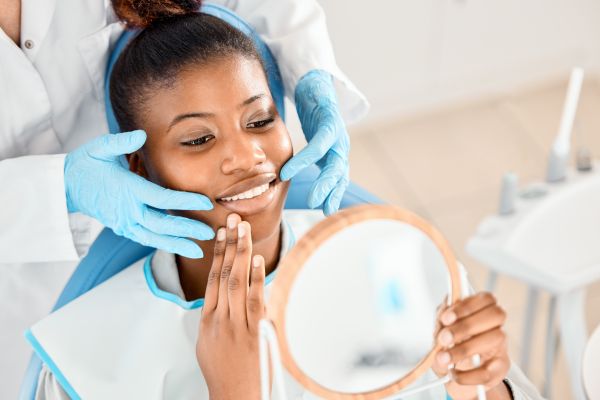
Restorative dental care focuses on repairing damaged teeth and rebuilding a bite that feels comfortable, stable, and natural. When chewing becomes difficult or a tooth looks compromised, delaying treatment can allow small problems to grow. A restorative dentist can evaluate the cause, explain options clearly, and recommend care that protects long-term oral health.
1. Tooth damage needs more than a quick fix
Chips, cracks, and worn enamel can alter tooth contact and force distribution across the bite. Even minor fractures can deepen over time, particularly in back teeth that experience heavy chewing pressure. A restorative dentist assesses whether a filling, inlay/onlay, crown, or another solution best supports the tooth structure.
Restorative care also helps prevent repeated repairs. When the tooth is properly reinforced, sensitivity often decreases, and normal function becomes easier. Treatment decisions can also protect neighboring teeth from excessive wear.
2. Cavities and old fillings can create hidden weak points
A cavity is not always visible from the surface. Decay can develop between teeth or beneath older dental work, and it can progress silently until pain begins. A restorative dentist uses exams and imaging to identify areas of concern and plan treatment before the tooth becomes fragile.
Older fillings can also deteriorate at the margins or develop small gaps that allow bacterial accumulation. Replacing or upgrading restorations can strengthen the tooth and reduce the risk of future decay. Addressing these issues early can prevent the need for more extensive procedures.
3. Missing teeth affects more than appearance
A missing tooth can cause shifting, bite imbalance, and uneven chewing. Over time, the jawbone in that area can lose density, which may affect facial support and future tooth replacement options. A restorative dentist can explain choices such as bridges, dentures, or dental implants and help select an option that fits health needs and budget.
Replacing missing teeth often improves day-to-day comfort. Chewing becomes more efficient, speech can feel clearer, and the bite tends to feel more stable. Restorative planning also accounts for long-term maintenance to protect adjacent teeth and gums.
4. Tooth sensitivity or pain often signals structural problems
Sensitivity to cold, pressure, or sweets can signal enamel wear, exposed root surfaces, cracks, or decay. Pain with chewing can indicate a fracture, a failing restoration, or bite stress that needs correction. A restorative dentist evaluates the pattern of discomfort and targets the underlying cause rather than masking symptoms.
Treatment may include a new filling, a crown, bite adjustment, or a night guard for clenching and grinding. When the underlying cause gets addressed, daily comfort often improves quickly. Early evaluation can also reduce the risk of infection or nerve damage.
5. Restorative dentistry can rebuild confidence in a natural look
Damaged or heavily filled teeth can create uneven color, shape, or symmetry. A restorative dentist can blend function and aesthetics so the smile looks cohesive and feels stable. Options such as tooth-colored fillings, crowns, and bridges can improve appearance while protecting tooth structure.
Planning also supports a balanced outcome. Shade matching, tooth proportions, and bite alignment all matter for natural-looking results. Restorative treatment can help patients feel more confident without compromising strength or long-term durability.
Schedule an appointment today
Visiting a restorative dentist can protect weakened teeth, address pain, and replace missing teeth before complications develop. The right restoration supports chewing comfort, gum health, and a bite that functions smoothly. With timely care and a clear plan, restorative dentistry can strengthen the foundation of the smile and improve daily quality of life. For more information or to schedule an appointment, call our office.
To schedule a consultation, please request an appointment on our website at https://www.libertytreeprosthodontics.com or call Mahshid Mirghassemi, D.D.S, PC at (978) 206-7959 to arrange an appointment at our Danvers office.
Check out what others are saying about our dental services on Yelp: Restorative Dentist in Danvers, MA.
Recent Posts
A restorative dentist can help to repair and rebuild structures in your mouth that oral problems have damaged. These dentists focus on restoring the function of damaged or lost teeth, improving your ability to chew and speak properly. Many restorative dental treatments also provide you with cosmetic benefits, so you get an improved smile in…
A restorative dentist is concerned with dental procedures that provide pain relief and the restoration of oral function in patients suffering from dental problems. Restorative dentistry treatments are becoming more popular due to their ability to mimic the natural look of your teeth. The goal is to restore normal functions and give you a smile…
Dental restoration treatments might be right for you if you are unhappy about the way your teeth look. There are various treatments that a dentist can use to restore teeth. Each has its pros and cons, so the dentist will educate you about the best options for you.Reasons that you might be unhappy with the…
Wondering if a dental onlay will repair your damaged tooth? This dental restoration option is used often by dental professionals in order to repair their patients' teeth. When it comes to whether this treatment option is the right choice, it depends on the extent of the damage.Thinking you may be in need of a dental onlay?…